
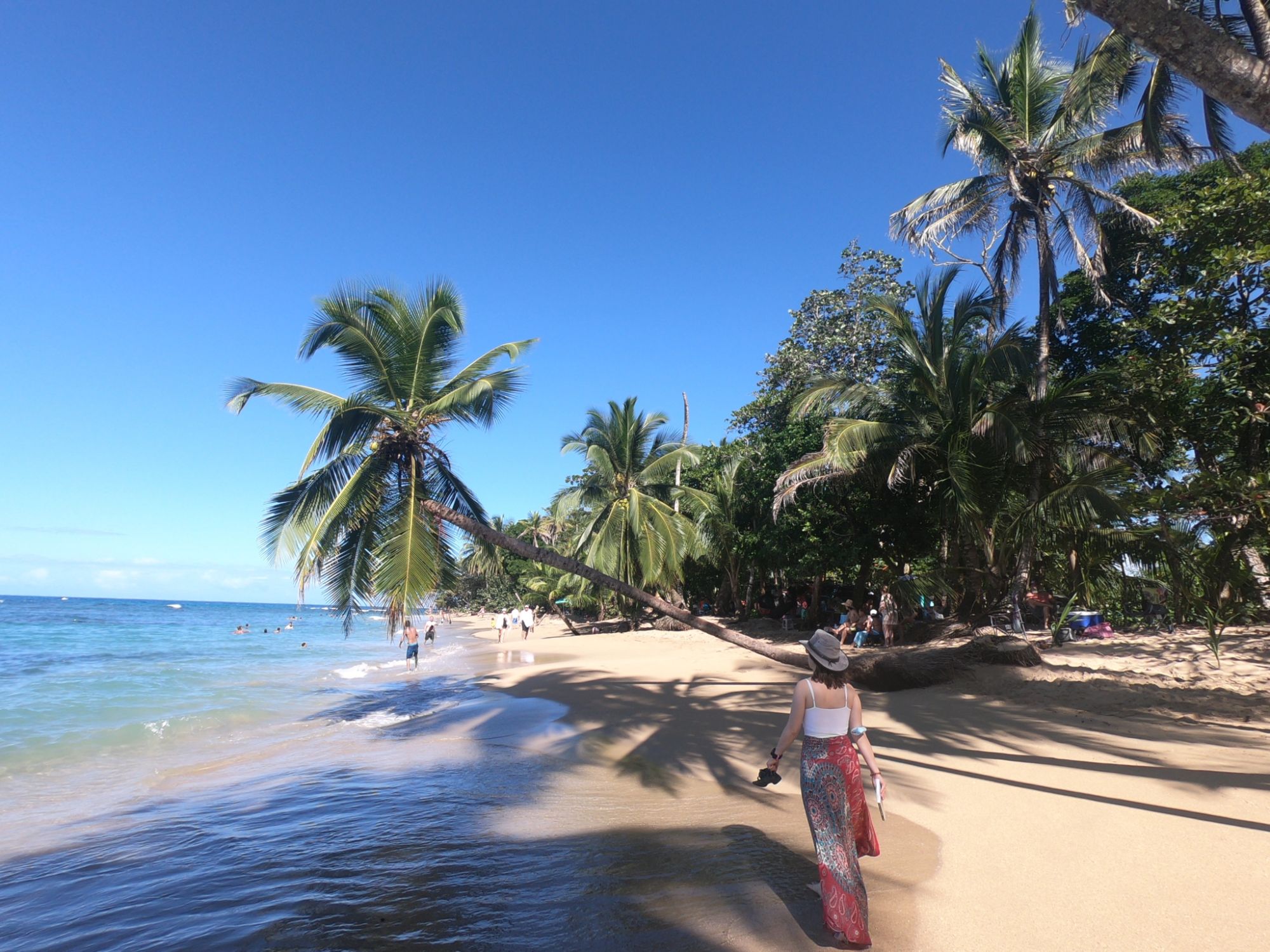
Have you ever pictured your morning coffee overlooking the Pacific, or a villa tucked into the jungle just steps from a secret beach? Costa Rica is attracting more and more Swiss buyers thanks to its stability, climate, and a market that remains easy to navigate. Good news: becoming a homeowner there is open to foreigners (with a few nuances in the maritime zone). And once you know the steps, it’s simpler than it looks to buy in Costa Rica as a Swiss resident.
The (true) story that reassures: from Lausanne to the Nicoya Peninsula
Marc and Léa, a couple in their thirties based in Lausanne, work in Switzerland and dream of a “tropical-chic” pied-à-terre to work remotely a few weeks a year and rent out the rest of the time. They discover the Nosara and Sámara market: contemporary homes, quality services, an international community.
Their “Swiss-style” method: a prepared file, a local lawyer/notary chosen in advance, funds secured via a properly regulated escrow** account**, and a title check at the Registro Nacional. Result: a house with a garden, held via a local company, closed in 45 days, and rental operations properly declared. No miracle—just a well-managed process.
What you need to know and check before buying
1) Property rights: widely open… except right on the shoreline
- Outside the coastline, a foreigner can own property freehold, directly or via a local company (S.A. or S.R.L.). Checks are done at the Registro Nacional (land registry).
- Maritime terrestrial zone (the 200 m from the high-tide line):
- The first 50 m are 100% public and inalienable.
- The next 150 m are subject to a concession: a non-resident for less than 5 years cannot be the majority concession holder (49% max rule for non-residents), and additional conditions apply to companies. This is a key point if you’re targeting “oceanfront” property.
2) Where to buy? A quick map of the markets
- North Pacific (Guanacaste): Tamarindo, Nosara, Papagayo — access, surf, international schools, seasonal rental yields.
- Central Pacific: Jacó, Manuel Antonio — established tourism, well-oiled rental management.
- South Pacific: Dominical, Uvita, Ojochal — preserved nature, spectacular sea/jungle views.
- Central Valley: Escazú, Santa Ana, Heredia — city life, medical services, international schools.
A question for you: do you prefer the energy of surf spots or the serenity of a canopy hideaway?
3) How much are the purchase costs?
- Transfer tax: 1.5% of the registered price.
- Stamps/stamp duties: around 2%–2.5% (varies depending on the required stamps).
- Notary fees: statutory scale (often around ~1% depending on complexity).
Plan on ≈ 3.5%–5% in closing costs (excluding any potential structuring fees).
4) Property taxes (ownership and “luxury”)
- Municipal property tax (IBI): 0.25%/year of the value registered with the municipality, with a value declaration at least every 5 years.
- Impuesto Solidario (the “luxury home tax”): a progressive scale updated each year by the Ministerio de Hacienda. For 2025, refer to the official tables published in January (amounts in colones and detailed brackets). Have a lawyer/tax advisor confirm applicability, as it depends on a technical assessment of the building and the tax value.
5) Escrow account and compliance
Funds should ideally go through a escrow** account managed by a regulated provider (SUGEF)**, with the usual AML/KYC checks (source of funds, ID documents, etc.). This is the standard way to secure the deposit and the closing. More information here.
The “how” step by step (typical process)
1. Pre-selection & mandate
Define the budget, location, and ownership structure (direct or via a company).
2. Lawyer/notary
Hire an independent abogado/notario who will draft the purchase option, conduct due diligence, prepare the deed, and register the transfer. We have partners in San José who can help you.
3. Offer / Option to Purchase
Timelines, conditions precedent, escrow deposit, due diligence period (often 30–60 days).
4. Due diligence
- Chain of title / Folio Real at the Registro Nacional
- Plano catastrado and match between the land and the plan
- Easements, mortgages, annotations
- Zoning, permitted uses, environment (and watch for concessions if on the coast)
5. Deed and registration
Signing at the notary, payment of taxes and stamps, registration at the Registro.
6. After the purchase
Connections (water/electricity), municipal declaration (if revaluation is needed), choosing property management if renting out.
Quick checklist to keep handy for buying in Costa Rica as a Swiss resident
- Offer letter / option with clear timelines
- Escrow details (SUGEF provider)
- Copy of the Folio Real + plano catastrado
- Municipal certificates (use/zoning)
- Service contracts (water/electricity)
- Local home insurance
- If on the coast: concession status and eligibility (residency ≥ 5 years if majority), the municipality’s regulatory plan, fees and terms.
Immigration status, banking, and structuring for a Swiss buyer
Short-stay visa: Swiss citizens travel visa-free for short tourist stays (generally up to 90 days). This status doesn’t prevent you from buying property, but it doesn’t allow you to work.
Bank accounts: easier with legal residency; otherwise, escrow is the standard way to pay for a purchase.
Investor residency: possible from a qualifying investment (amount set by law, currently from around USD 150,000 for certain investments); useful to facilitate banking, longer stays, and local operations. Confirm the exact category with an immigration firm.
Local company: it’s common to buy via an S.A. or S.R.L. (governance, transfer, liability). Ask for a setup tailored to your needs (corporate purpose, beneficial owners, annual obligations).
Special cases: coastline, parks, borders
Costa Rica actively protects its coasts and parks. On the coast (Zona Marítimo Terrestre), keep in mind:
- 0–50 m: strict public domain, never privatizable.
- 50–200 m: municipal concession; if you have not been a resident for ≥ 5 years, you cannot be the majority concession holder (and participation limits apply to companies with foreign capital). Handle this with a specialized local lawyer.
FAQ “swiss costa rica” — your most common questions
1) Can a Swiss citizen buy a house in Costa Rica without residency?
Yes, freehold outside the concession zone. Residency becomes important if you’re targeting oceanfront (concession) property or if you want easier banking.
2) Do I need a notary?
Yes. In Costa Rica, the abogado/notario drafts the deed, calculates taxes/stamps, and registers the transfer at the Registro Nacional.
3) What are the annual property taxes?
The IBI (0.25%/year of the registered value) and, for high-value homes, the Impuesto Solidario (annual scale from the Ministerio de Hacienda).
4) Can I rent out my house?
Yes, via a local manager; take into account tax obligations (income tax, possible VAT depending on the type of rental). Your local lawyer/accountant will guide you.
5) How long does a purchase take?
With a complete file and escrow in place, typically 30 to 60 days (including due diligence), depending on title complexity, zoning, and the parties’ responsiveness.
6) Taxation in Switzerland?
You will mainly be taxed on your wealth, but your returns will be added to your income. Several solutions can be considered to minimize your tax impact back home.
Why Costa Rica resonates with Swiss buyers
- Political stability and the rule of law
- Respect for the environment and conservation policy
- A time zone that works well for remote work with Europe
- Quality healthcare and international education in expat hubs
Plus, the moderate property tax (0.25%) supports long-term ownership.
Mistakes to avoid on the ground
1. Confusing “seafront” with “freehold”: a concession is not a standard title—check before you fall in love with a plot.
2. Forgetting the “plano catastrado”: align the cadastre with physical reality (boundaries, access, easements).
3. Paying without escrow: require a regulated escrow account and a timeline conditional on due diligence.
4. Neglecting the IBI or Solidario: check your tax values and filings; Solidario brackets change every year.
And now: which Costa Rica is right for you?
More surf & sunsets (Tamarindo / Santa Teresa) or forest & waterfalls (Uvita / Dominical)? Do you need an international school nearby, or are you aiming for a nature retreat and seasonal rental yield?
At Brymmo, we help you clarify the why, pinpoint the where, and walk you through the how, with a hand-picked network of local lawyers/notaries, property managers, and experts.
Considering a serious “Switzerland – Costa Rica” project? Contact Brymmo: we’ll support you from selection to signing, and then with management.
Contact us for your projects in South and Central America—and let’s make your home in Costa Rica a calm, secure reality. See our listings here.
Notes & important reminders
This guide to buying in Costa Rica as a Swiss resident does not replace legal advice. Before any commitment (especially in the maritime zone), consult a Costa Rican lawyer.
Tax scales (Impuesto Solidario) and procedures change; always check the official tables for the year and the applicable regulations.